
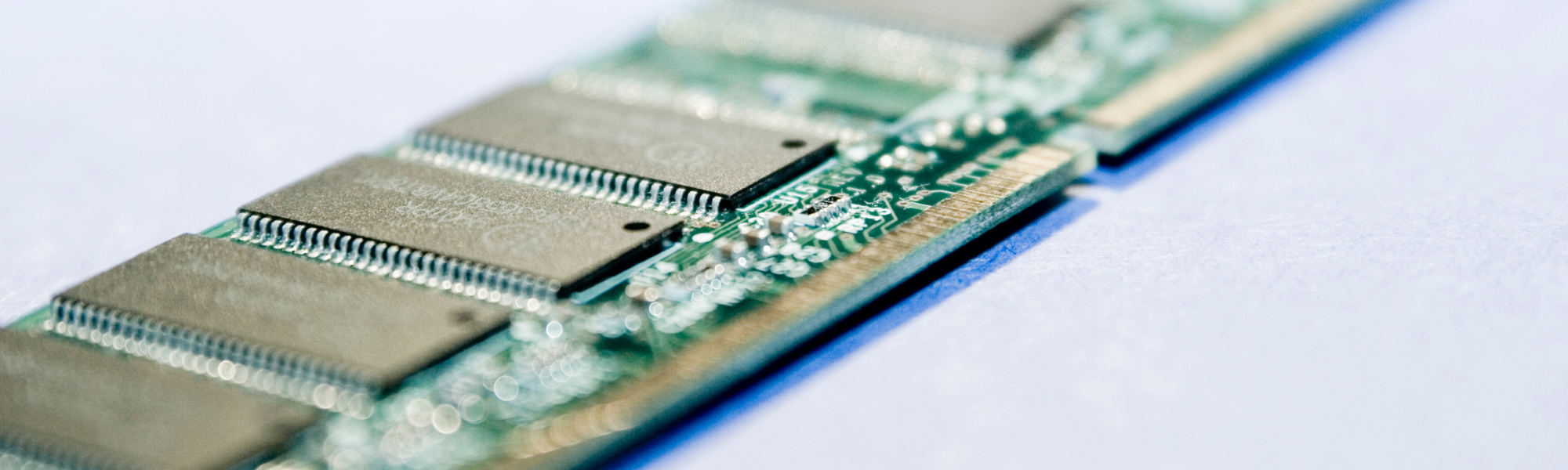
Random Access Memory...
...commonly known as RAM, is a type of computer memory that functions as temporary storage. It allows the computer to quickly access the data needed to run applications or open files. When a computer is in use, the CPU loads data from the hard drive into RAM, where it can be accessed much faster.
RAM is volatile memory, which means it cannot retain data when the computer is turned off. Therefore, it is important to save data to the hard drive before shutting down the computer.
The amount of RAM in a computer directly affects its performance. When a computer has insufficient RAM to handle the tasks it is performing, it may become slow and unresponsive. On the other hand, a computer with more RAM can handle multiple applications running simultaneously, allowing it to perform tasks faster and more efficiently.
RAM capacity is measured in gigabytes (GB), and most modern computers have at least 8 GB of RAM. However, some power users, such as video editors, may require more RAM for their work.
In conclusion, RAM is a crucial component of a computer's performance, as it enables quick and easy access to data. More RAM generally means better performance and increased efficiency when handling multiple tasks.